

Why Gutter Installation Matters in Arkansas
Gutter installation is a critical aspect of home maintenance in Arkansas, especially in cities like Fort Smith. Properly installed gutter systems protect homes from water damage, which is a common concern in regions with changing weather conditions. Arkansas experiences a range of weather patterns, from intense rainfall in the spring to periodic severe storms, making it important for homeowners to invest in trustworthy gutter systems.
In Fort Smith, the importance of gutter installation is amplified by the city's unique topography and climate. The region is known for its uncertain weather, which can lead to substantial water runoff if not properly managed. This is where the function of gutter systems becomes crucial. They help direct rainwater away from the foundation, avoiding issues like basement flooding and soil erosion.
Homeowners in Arkansas should realize that gutter installation is not just about adding a functional element to their homes—it's about safeguarding their property. A carefully maintained gutter system can prolong the life of a home's foundation, reduce the risk of mold and mildew, and even enhance the overall look of a property. In cities like Little Rock, Fayetteville, and Springdale, where the climate can be especially humid, the need for successful gutter systems is more than ever evident.
Local regulations and building codes in Arkansas also have a part in figuring out the best approach to gutter installation. These codes confirm that all gutter systems fulfill safety standards and are designed to handle the specific weather conditions of the area. For instance, in North Little Rock, there are exact requirements for gutter size and location based on the dimensions and angle of the roof.
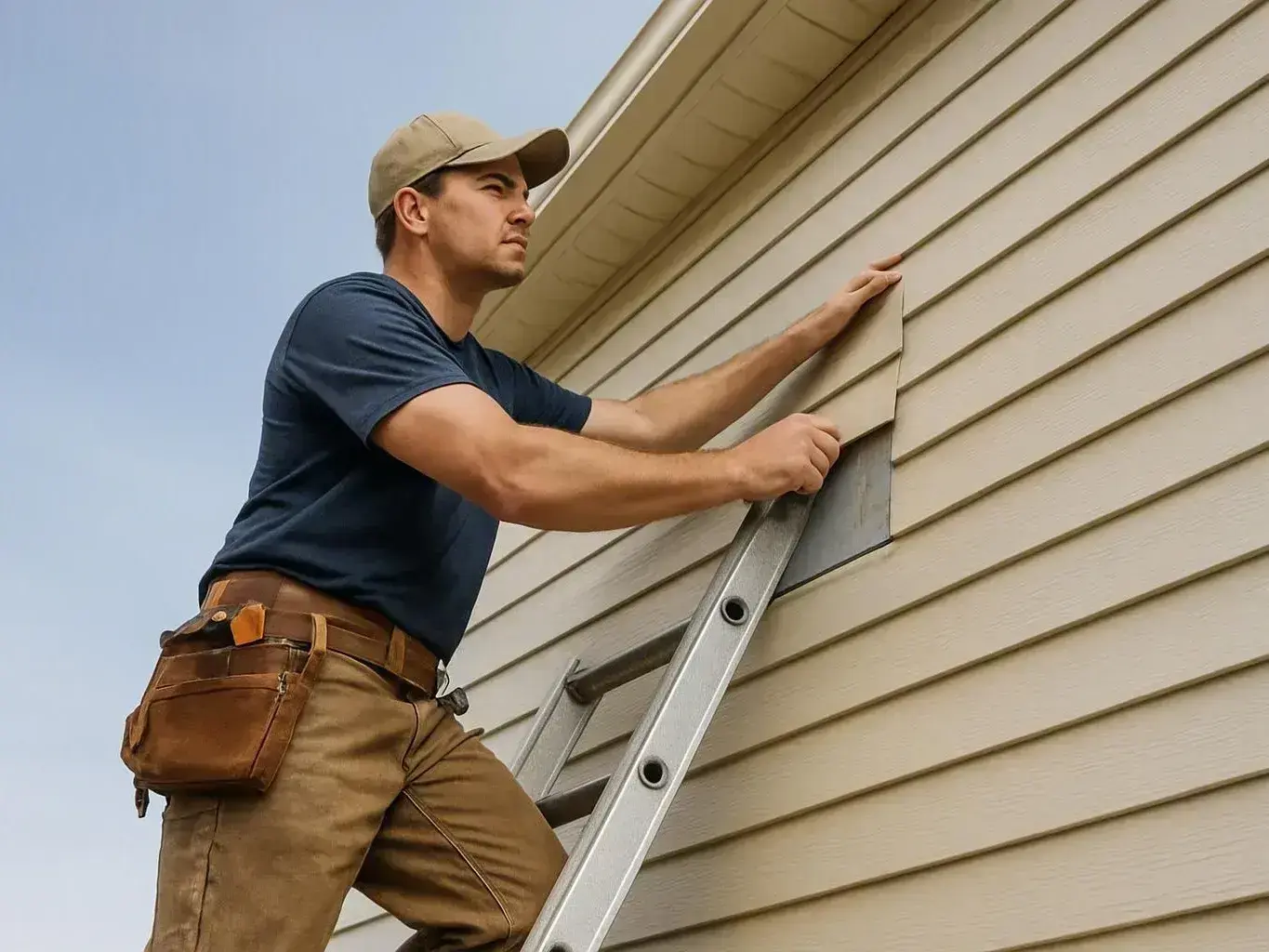
In conclusion, gutter installation in Arkansas is more than just a routine home improvement activity—it's a necessary step in protecting your home from the weather. Whether you live in Fort Smith, Little Rock, or any other city in the state, realizing the importance of proper gutter systems can support you make informed decisions about your home's upkeep.
Common Gutter types Applied in Arkansas
When it comes to gutter installation in Arkansas, homeowners have several choices to pick from, each with its own set of pros and factors. The most common models of gutters employed in the region include metallic gutters, ferrous gutters, and synthetic gutters. Each of these components is selected based on elements such as durability, expense, and the particular climate circumstances of the area.
Lightweight gutters are a popular option in Arkansas due to their easy-to-carry character and resistance to corrosion. They are especially appropriate for areas with high dampness, such as Fayetteville, where the climate can be quite wet. Lightweight gutters are also somewhat simple to set up and maintain, making them a suitable choice for many homeowners. However, they can be prone to bumps if not correctly maintained, especially in places with intense precipitation like Fort Smith.
Ferrous gutters are another option that provides more sturdiness compared to aluminum. They are frequently chosen in places with more harsh weather, such as Springdale, where the land can influence water runoff. Metal gutters are recognized for their robustness and skill to withstand extreme weather, but they may demand more maintenance over duration. They are also massive, which can cause setup more challenging.
Vinyl gutters are a cost-effective choice that is becoming fame in Arkansas. They are lightweight, simple to put in, and resistant to corrosion and corrosion. However, they may not be more sturdy as their ferrous alternatives, especially in places with regular intense rain. Despite this, many homeowners in urban areas like Jonesboro and Conway locate plastic gutters to be a suitable selection for their demands.
The option of gutter model in Arkansas is affected by the area's weather patterns and the specific requirements of each home. Understanding the traits of each material can aid homeowners form informed options about their gutter systems, ensuring they provide successful safeguard against the conditions.
Aluminum Gutters in Fort Smith and Fayetteville
In Fort Smith and Fayetteville, aluminum gutters are a popular selection among homeowners due to their combination of durability and ease of upkeep. These cities experience a mix of weather conditions, including periods of heavy rainfall and high humidity, which can be challenging for less resilient materials. Aluminum gutters are well-suited to handle these conditions, offering a dependable option for managing water runoff.
The climate in Fort Smith, for example, can be quite variable, with sudden downpours that require efficient drainage systems. Aluminum gutters are designed to handle these situations, as they are resistant to rust and corrosion. This makes them an excellent selection for homeowners looking for a long-lasting approach. Additionally, their lightweight nature makes installation more straightforward, which can be a significant advantage for those evaluating a DIY approach or working with a qualified contractor.
In Fayetteville, the humid climate further emphasizes the need for gutters that can withstand moisture without deteriorating. Aluminum gutters are known for their ability to resist the effects of humidity, making them a practical option for this region. They also come in a variety of colors, allowing homeowners to select a style that complements their property's exterior.
Another plus of aluminum gutters is their versatility. They can be customized to fit the unique layout of a home, ensuring that water is directed away from the foundation reliably. This adaptability is especially essential in areas like Fort Smith, where the terrain can vary significantly from one neighborhood to another.
Overall, aluminum gutters are a smart choice for homeowners in Fort Smith and Fayetteville, offering a balance of durability, maintenance ease, and aesthetic appeal. By selecting the right type of gutter system, homeowners can ensure their homes are well-protected against the challenges posed by the local climate.
Steel Gutters for Arkansas Homes
Steel gutters are a strong and long-lasting option for homeowners in Arkansas, especially in areas that experience extreme weather conditions. These gutters are known for their ability to withstand heavy rainfall, strong winds, and other challenging elements that can impact a residence's exterior. In cities like Springdale, where the terrain can be hilly and the weather unpredictable, steel gutters deliver a dependable approach for managing water runoff effectively.
One of the key advantages of steel gutters is their durability. Unlike aluminum or vinyl gutters, which can be prone to dents or harm over time, steel gutters are built to last. This makes them an excellent choice for homeowners who want a long-term investment in their home's infrastructure. Furthermore, steel gutters are available in a range of finishes, allowing for customization to match the aesthetic of a property's exterior.
In Arkansas, where the climate can be quite variable, the weather resistance of steel gutters is a significant advantage. They are designed to handle heavy rainfall and are less likely to warp or bend under the weight of water. This is notably vital in areas like Fort Smith, where sudden downpours can lead to major water accumulation if not properly managed.
Another consideration when picking steel gutters is their weight. While they are more robust than other materials, they can be heavier, which may call for extra help during installation. This is a factor that homeowners should consider, particularly if they are working with a professional contractor who can ensure proper installation and structural integrity.
Overall, steel gutters offer a reliable and long-lasting solution for homeowners in Arkansas. Their strength and ability to withstand harsh weather conditions make them a valuable choice for those looking to protect their homes from the elements.
How Arkansas Climate Affects Gutter Installation
The climate in Arkansas plays a critical role in determining the best approach to gutter installation. The state experiences a wide range of weather conditions, from heavy rainfall in the spring to occasional severe storms, which can impact the effectiveness of a gutter system. Understanding how these conditions affect installation is essential for homeowners looking to shield their homes from water damage.
In Fort Smith, for example, the spring season is known for its heavy rainfall, which can lead to significant water runoff if not properly managed. This makes it crucial for homeowners to select a gutter system that can manage large volumes of water. The installation procedure must take into account the specific rainfall patterns of the area, making sure that gutters are sized and positioned correctly to direct water away from the foundation.
Springdale, with its hilly terrain, presents unique challenges for gutter installation. The elevation changes in the area can affect the flow of water, calling for customized approaches to confirm effective drainage. Homeowners in Springdale may call for to consider extra features such as downspouts and splash blocks to manage water runoff more efficiently. This highlights the importance of working with a experienced who understands the regional geography and can tailor the installation to meet the specific needs of the property. https://fort-smith-ar.agmguttershorsehoebend.com/
In addition to rainfall, the altogether climate in Arkansas can also influence the materials used in gutter installation. For instance, in areas with high humidity, such as Fayetteville, the choice of gutter material is crucial. Materials that are resistant to corrosion and moisture are preferred to ensure long-term performance. This is where the importance of selecting the right materials becomes evident, as they can significantly impact the longevity and effectiveness of the gutter system.
By considering the specific climate conditions of their location, homeowners in Arkansas can make informed decisions about their gutter installation. This not only helps in preventing water damage but also ensures that the gutter system is well-suited to handle the challenges posed by the local weather patterns.
Top Choices for Gutter Installation in Arkansas
Choosing the ideal materials for gutter installation in Arkansas is important for ensuring long-term performance and security against the area's climatic conditions. The selection of options can substantially influence the resilience, upkeep needs, and total efficiency of a gutter system. Homeowners in cities like Fort Smith, Little Rock, and Fayetteville should evaluate various factors when making their choice, including the local weather, the kind of residence, and personal likes.
An of the most common choices for gutter installation in Arkansas is aluminium. Recognized for its compact and corrosion-resistant properties, aluminium gutters are appropriate for areas with increased moisture and regular precipitation. They are also straightforward to mount and care for, making them a practical selection for many homeowners. However, it's crucial to acknowledge that aluminium gutters can be susceptible to dents, especially in zones with heavy snowing or strong gales. This leads to them a ideal fit for zones with softer weather.
Steel gutters are an alternative choice that supplies superb durability and strength. They are specifically appropriate for areas with severe climate, such as Springdale, where the terrain can impact liquid drainage. Steel gutters are resistant to harm and can endure intense rainfall, making them a trustworthy choice for homeowners seeking for a long-lasting solution. However, they are bulkier and may necessitate extra assistance during setup, which can raise the entire expense.
Plastic gutters are a affordable alternative that is increasing popularity in Arkansas. They are lightweight, simple to install, and protected to rust and corrosion. But, they may not be more sturdy as metal alternatives, especially in regions with common substantial rainfall. Despite this, many homeowners in cities like Jonesboro and Conway find plastic gutters to be a appropriate choice for their demands.
Ultimately, the ideal materials for gutter installation in Arkansas base on the particular needs of each home and the regional climate. By meticulously considering these factors, homeowners can form knowledgeable choices that guarantee their gutter systems are effective and long-lasting.
The Gutter process in Arkansas
The gutter setup in Arkansas involves several key stages that ensure the system is properly designed, installed, and maintained to shield a home from water harm. Whether you're a homeowner in Fort Smith or any other city in the state, understanding the installation process can support you make informed decisions and work reliably with a qualified contractor.
The first step in the installation procedure is a detailed assessment of the property's roof and surrounding area. This includes reviewing the roof's pitch, the size of the home, and the local climate conditions. In cities like Little Rock, where building codes may require particular gutter sizes based on property size and roof pitch, this step is critical. A qualified installer will also evaluate the terrain and drainage patterns of the area, confirming that the gutter installation is tailored to the unique calls for of the home.
Once the assessment is complete, the next step is selecting the appropriate materials and design for the gutter system. This decision is influenced by factors such as the home's architecture, the local weather conditions, and the homeowner's budget. In areas like Fayetteville, where the climate can be quite humid, choosing materials that resist corrosion and moisture is essential. The installer will also determine the number and placement of downspouts to ensure effective water drainage.
The actual installation process involves securing the gutters along the roofline and connecting them to the downspouts. This step requires precision to ensure that the gutters are properly aligned and can efficiently channel water away from the home. In cities like Springdale, where the terrain can be hilly, the installation may require additional support structures to maintain the integrity of the system. The installer will also ensure that the gutters are sloped correctly to facilitate water flow.
After installation, the final step is a thorough inspection to check for any potential issues, such as leaks or improper alignment. This step is essential to ensure that the gutter system functions as intended and provides the necessary protection against water damage. Homeowners should also be aware of the maintenance requirements for their specific gutter system, as regular cleaning and inspections can help prevent problems and extend the life of the installation.
By adhering to these procedures, homeowners in Arkansas can make certain that their gutter installations are mounted correctly and deliver effective defense against the elements. Working with a qualified installer who knows the local environment and standards is essential to achieving a successful setup.
Expense of Gutter Installation in Arkansas
The expense of gutter installation in Arkansas can change greatly based several aspects, such as the kind of materials applied, the dimension of the home, and the complexity of the setup. For homeowners in cities like Fort Smith, Little Rock, and Fayetteville, grasping the price framework is vital for taking informed choices about their property improvement initiatives.
One of the primary elements affecting the price of gutter setup is the selection of components. Aluminum gutters are usually more cost-effective and are a common selection for many homeowners due to their small weight and anti-rust properties. At comparison, iron gutters generally to be more costly but provide higher durability and power, making them a appropriate option for areas with severe conditions circumstances. Plastic gutters are frequently the highest budget-friendly selection, but they may demand more ongoing support in contrast to metal choices.
The dimension of the home also has a important function in determining the entire cost. Bigger homes usually require greater supplies and effort, which can raise the setup expense. In towns like Springdale, where the terrain can affect the layout of the residence, the installation process may be greater complex, causing to more charges. Moreover, the count of drainpipes and the requirement for tailored choices can additionally impact the final cost.
Labor expenses are additional important aspect. Professional installation is advised to guarantee that the gutter system is adequately designed and put in place. In Arkansas, the cost of labor can fluctuate depending the contractor experience and the area sector. Homeowners should get multiple proposals to contrast rates and ensure they are receiving a fair arrangement.
It's also important mentioning that the expense of gutter setup can are impacted by local guidelines and building codes. In some areas, such as North Little Rock, specific requirements for gutter dimension and location may influence the overall expense. Homeowners should be informed of these regulations to avoid unexpected costs during the setup process.
By taking into account these aspects, homeowners in Arkansas can more comprehend the expense of gutter installation and take well-informed actions that match with their budget and requirements.
Gutter care Advice for Arkansas Homeowners
Maintaining gutters is an critical part of home care, especially in Arkansas, where the climate can be variable. Regular maintenance ensures that gutters work effectively, preventing water damage and prolonging the lifespan of the system. For homeowners in cities like Fort Smith, Little Rock, and Fayetteville, following a few key maintenance tips can create a significant difference in the performance of their gutter systems.
One of the most key maintenance tasks is regular cleaning. Over time, leaves, twigs, and other debris can gather in gutters, causing to clogs that can lead to water to spill and injure the home's foundation. In areas with strong rainfall, such as Springdale, it's especially important to clean gutters at least two times a year—once in the spring and once in the fall. This helps prevent clogs and guarantees that water flows smoothly away from the home.
In further, homeowners should check their gutters for signals of injury or damage. Observe for breaks, leaks, or slumping sections that may show a need for corrections. In cities like Jonesboro, where the climate can be quite moist, regular inspections can aid identify issues before they become more critical. If any problems are detected, it's crucial to address them immediately to avoid further injury.
Another suggestion for maintaining gutters in Arkansas is to check the drain pipes regularly. Downspouts should be unobstructed of blocks and should lead water away from the home's base. In areas with hilly terrain, such as Springdale, ensuring that downspouts are properly placed can support prevent water from gathering around the house. Homeowners should also consider adding drainage blocks or extending downspouts to additional enhance drainage.
Lastly, it's a good thought to monitor the gutters after strong rainfall or tempests. In cities like Fort Smith, where unforeseen downpours can take place, checking the gutters after a tempest can help identify any challenges that may have arisen. This proactive approach can help stop costly fixes and make sure that the gutter system keeps properly working.
By adhering these maintenance advice, homeowners in Arkansas can maintain their gutter systems in ideal form, guarding their homes from water damage and making sure sustained performance.
Building Codes for Gutters in Arkansas
Building regulations for gutters in Arkansas are essential for ensuring that all gutter systems meet safety and performance standards. These codes vary by city and are designed to address the specific needs of each region, taking into account factors such as local weather conditions, topography, and the types of homes in the area. For homeowners in cities like Fort Smith, Little Rock, and Fayetteville, understanding these regulations is important for a successful gutter installation.
In Little Rock, for example, building codes may require specific gutter sizes based on the home's size and roof pitch. This ensures that the gutter system can handle the expected volume of water during heavy rainfall. Similarly, in North Little Rock, there may be more requirements for the placement and installation of gutters to prevent water from pooling around the foundation. These regulations help maintain the integrity of the home and reduce the risk of water damage.
In Springdale, where the terrain can be hilly, building codes may include provisions for customized gutter solutions that account for the elevation changes. This ensures that water is properly directed away from the home, even in areas with challenging topography. Homeowners should reach out to local authorities or a professional installer to understand the specific requirements for their area.
Additionally, in cities like Fayetteville, where the climate can be quite humid, building codes may stress the importance of using materials that resist corrosion and moisture. This helps ensure that the gutter system remains operational and durable over time. By adhering to these regulations, homeowners can protect their investments and maintain the overall value of their properties.
Understanding and complying with local building codes is a vital part of the gutter installation process in Arkansas. It not only ensures the safety and effectiveness of the system but also helps homeowners avoid potential issues that may arise from failure to comply.
Signs Your Gutters Need Repair in Arkansas
Homeowners in Arkansas should be informed of the signs that indicate their gutters may need repair. Recognizing these issues early can help prevent costly damage and ensure that the gutter system continues to operate effectively. In cities like Fort Smith, Little Rock, and Fayetteville, where the climate can be unpredictable, regular inspections are important for maintaining a reliable gutter system.
One of the most common signs that gutters need repair is water pooling around the foundation of the home. This can occur when gutters are blocked or damaged, preventing water from being properly directed away from the house. In areas with heavy rainfall, such as Springdale, this issue can cause basement flooding and soil erosion. Homeowners should inspect the ground around their home after rain to spot any signs of water accumulation.
Another indicator of gutter problems is sagging or misaligned gutters. Over time, gutters can become unsecured or pull away from the house due to the weight of debris or damage from severe weather. In cities like Jonesboro, where the climate can be quite humid, this issue can be exacerbated by the buildup of moisture and debris. Sagging gutters not only affect the appearance of the home but also diminish the effectiveness of the drainage system.
Leaks or cracks in the gutter system are also a evident sign that repairs are needed. These issues can lead to water damage to the home's exterior and interior, including the roof, walls, and foundation. In areas like Fayetteville, where the climate can be quite variable, ongoing inspections can help identify these problems before they escalate. Homeowners should look for signs of water stains, rust, or visible damage along the gutter system.
Finally, the presence of water leaking from the gutters or gushing during rain is another red flag. This can indicate that the gutters are not appropriately sized or installed to handle the volume of water in the area. In cities like North Little Rock, where building codes may demand specific gutter sizes, it's important to ensure that the system meets these standards. Addressing these issues promptly can help prevent further damage and ensure that the gutter system continues to guard the home effectively.
By being vigilant and recognizing these indications, homeowners in Arkansas can make preventive steps to keep their gutter equipment and guard their homes from possible moisture damage.
FAQ
What defines the most common kinds of gutters employed in Arkansas?
In Arkansas, the most frequent types of gutters comprise metallic gutters, iron gutters, and vinyl gutters. Aluminum gutters constitute favored for their resilience and avoidance to degradation, making them ideal for regions with significant dampness. Metal gutters offer more power and are best for zones with harsh weather conditions. Plastic gutters constitute a budget-friendly option that is easy to mount and care for. For dependable Gutter Installation in Arkansas in Arkansas, AGM Gutters provides experienced guidance and useful approaches.
How do weather conditions in Arkansas impact gutter installation?
The atmosphere in Arkansas, which contains heavy rainfall in the first season and rare severe gales, greatly affects gutter setup. Homeowners need choose gutter units that can cope with large quantities of water. In cities like Fort Smith, where first season rainfall is frequent, the installation procedure should account for these situations to ensure effective water removal. Additionally, the topography and nearby atmospheric developments can influence the selection of components and layout for the gutter equipment.
What substances are best suited for Arkansas atmospheric?
For Arkansas weather, elements that supply protection from weather and resilience are suitable. Metallic gutters are appropriate for locations with high humidity and common precipitation, as they resist degradation. Metal gutters are selected in areas with intense climatic conditions, supplying stability and endurance. Plastic gutters are a cost-effective choice, though they could need more regular service in regions with substantial downpour. The choice of material need match with the unique weather and atmospheric developments of the area.
What is the usual cost of gutter installation in Arkansas?
The expense of gutter installation in Arkansas varies based on elements such as the variety of components used, the scale of the home, and the difficulty of the installation process. Lightweight gutters are generally more affordable, while iron gutters usually to be more expensive due to their longevity. Vinyl gutters provide a cost-effective alternative. Labor charges can also affect the total rate, with professional setup typically varying from $3 to $10 per linear foot. Homeowners need obtain various quotes to comprehend the costs connected with their individual endeavor.
What are the procedures participated in professional gutter installation?
Professional gutter installation usually involves several procedures. To begin, a complete assessment of the home's surface and adjacent location is conducted to identify the suitable components and layout. Then, the installation includes attaching the gutters along the top and joining them to downspouts. The installer makes sure that the gutters are correctly positioned and tilted to aid drainage. Once installation process, a last review is performed to inspect for any potential issues. This method guarantees that the gutter installation is effective in protecting the home from water issues.